
Love
Caring deeply for others.
A devotion to the well-being of others — neighbors, strangers, and even those we disagree with.

Exploring how spiritual, religious, and moral teachers from around the world often pointed humanity toward love, compassion, service, and peace.
Across continents and centuries, very different people have arrived at strikingly similar moral instincts: care for the stranger, ease another's suffering, forgive, practice humility, work for peace.
The goal here is not to say that all traditions are the same — their differences matter, and they deserve respect on their own terms. The aim is simply to notice the moral threads that recur, and to honor the people who shaped them.
Caring deeply for others.
A devotion to the well-being of others — neighbors, strangers, and even those we disagree with.

Feeling with those who suffer.
Recognizing the pain of others and responding with kindness, patience, and presence.

Lifting people up.
Practical care for the poor, the sick, the lonely, and those in need.

Releasing resentment.
Letting go of grudges and choosing reconciliation over retaliation.

Quiet self-awareness.
Holding one's place in the world gently, without arrogance or self-promotion.

Inner and outer harmony.
Cultivating calm within and seeking nonviolence and understanding between people.

Fairness for all.
Standing with the oppressed and shaping a world where dignity is shared.

Living for more than yourself.
Giving time, attention, and effort to causes and people beyond one's own benefit.

Christianity · Middle East · c. 4 BCE – 30 CE
Often remembered for teaching love of neighbor, care for the vulnerable, and forgiveness.
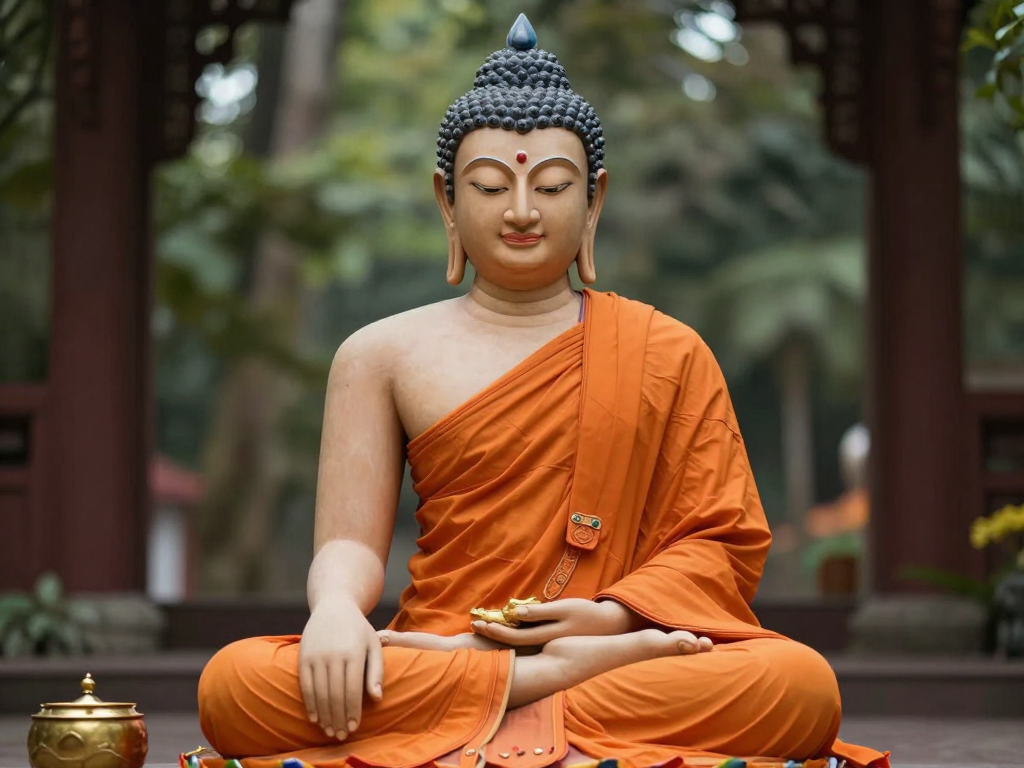
Buddhism · South Asia · c. 5th–4th century BCE
Traditionally understood as teaching a path of compassion, mindfulness, and the easing of suffering.

Islam · Middle East · c. 570 – 632 CE
Central themes include mercy, charity, care for the poor, and the oneness of humanity before God.

Judaism · Middle East · Traditionally c. 13th century BCE
Associated with leading a people out of slavery and delivering a moral code that shaped law and conscience.

Hinduism · South Asia · Traditional figure of ancient India
Traditionally understood as teaching selfless action, devotion, and inner steadiness.

Taoism · East Asia · Traditionally c. 6th century BCE
Associated with teachings on humility, simplicity, and harmony with the natural way of things.
Pick a theme and watch how teachers from very different worlds express the same quiet conviction.
Compare Messages →A Journey Into Your Subconscious Mind
Discover what your imagination reveals about your relationships, challenges, and deepest values through this relational psychology test. Takes just 5-10 minutes.
Visualization Journey
Walk through a peaceful forest and answer 10 insightful questions
Private & Secure
Your responses stay on your device - we never collect or share your data